About blepharoplasty
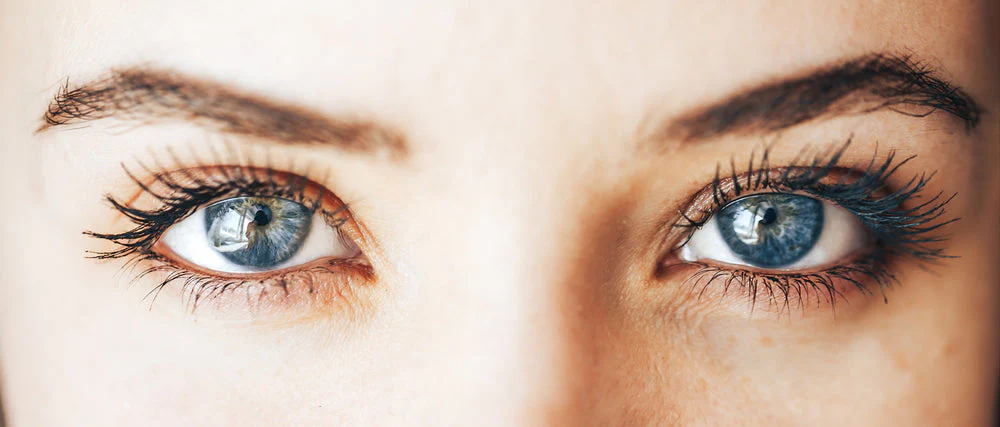
Upper eyelid hooding and lower lid bags are among the earliest signs of facial ageing, and often the most misread — patients are told they look exhausted or unfriendly when they feel neither. Correcting the eyelids addresses that directly.
Modern blepharoplasty is conservative. Over-resection of upper lid skin produces a hollow, startled look that is difficult to reverse, and removing too much lower lid fat creates a skeletal orbit. We preserve and redistribute fat, tightening only what genuinely needs tightening.
For lower eyelids we frequently use the transconjunctival approach, working through the inside of the lid so there is no external incision at all. Fat is repositioned over the orbital rim to soften the tear trough rather than simply excised.
Who this suits
- Excess upper eyelid skin that rests on the lashes or restricts the peripheral field.
- Puffy lower lids or persistent under-eye bags that do not resolve with sleep.
- A hollow tear trough combined with lower lid fullness.
- Non-smokers or those willing to stop for four weeks either side of surgery.
- No untreated dry eye, glaucoma or thyroid eye disease.
How the procedure is performed
- Assessment of lid laxity, levator function, brow position and tear film quality.
- Upper blepharoplasty: incision hidden in the natural lid crease, conservative skin excision, selective fat management.
- Lower blepharoplasty: transconjunctival access with fat repositioning; a subciliary skin incision only when significant skin excess is present.
- Canthal support added where lid laxity risks post-operative lid malposition.
- Performed under local anaesthesia with sedation in most cases, or general anaesthesia if combined with other procedures.
- Fine sutures removed at day five to seven.
What it achieves
- A rested, open-eyed appearance without changing the character of the eye.
- Improved upper visual field where hooding was obstructive.
- Smoother lid-cheek junction and softened tear troughs.
- Scars hidden in the lid crease or entirely internal.
- Long-lasting; most patients never need a second procedure.
Recovery timeline
Individual recovery varies. These are the stages most patients pass through, and the ones we plan your follow-up around.
- Days 1–3
Cold compresses, sleeping elevated. Swelling peaks at 48 hours. Vision may be briefly blurry from ointment.
- Days 5–7
Sutures removed. Bruising is yellowing and can be covered with makeup.
- Days 10–14
Socially presentable. Most patients return to work at this point.
- Weeks 3–4
Contact lenses and full exercise resumed. Scars still pink.
- Months 3–6
Scars mature to near-invisible. Final contour settled.
Cost
Upper lids alone from $750; upper and lower combined from $1,650. Includes theatre, anaesthesia and one year of follow-up.
Bands reflect the genuine variation in complexity between patients. Your firm quote is issued after examination and does not change afterwards. See our full price list for context across the catalogue.
Frequently asked questions
It should not. The aim is to remove what is obscuring the eye, not to alter its shape. Deliberate shape change — such as double-eyelid creation — is a separate, specifically planned procedure.
Yes, and most patients who need both prefer a single recovery. It adds roughly an hour to theatre time and very little to the recovery period.
Partially. Blepharoplasty corrects shadowing caused by fat herniation and tear trough hollowing. Pigmentation-based dark circles need topical or laser treatment, which we can plan alongside.
Removing upper lid skin when the brow is descended can pull the brow lower still. In those cases we recommend addressing brow position first or concurrently — we will tell you at consultation if that applies.
For mild lower lid hollowing, filler can help, though we do not offer injectables and would refer you. For genuine skin excess and fat herniation there is no non-surgical equivalent that produces a comparable or lasting result.