About scar revision
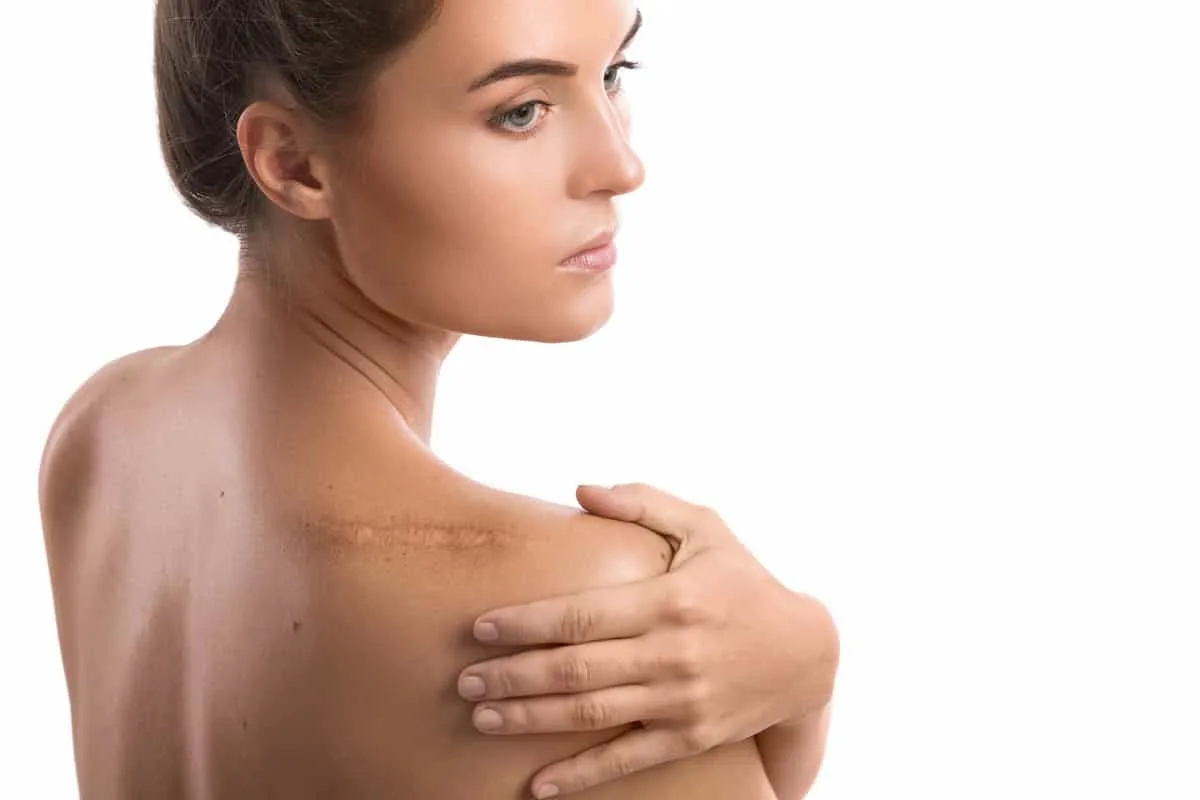
How a scar looks depends on its direction relative to resting skin tension lines, the tension it healed under, its width and colour, and the patient's own healing tendency. Each is addressed differently, which is why there is no single scar treatment.
Surgical revision suits wide, depressed or badly oriented scars. Techniques such as Z-plasty and W-plasty break a straight line into an irregular one and reorient segments into natural creases, which makes the scar far harder for the eye to follow.
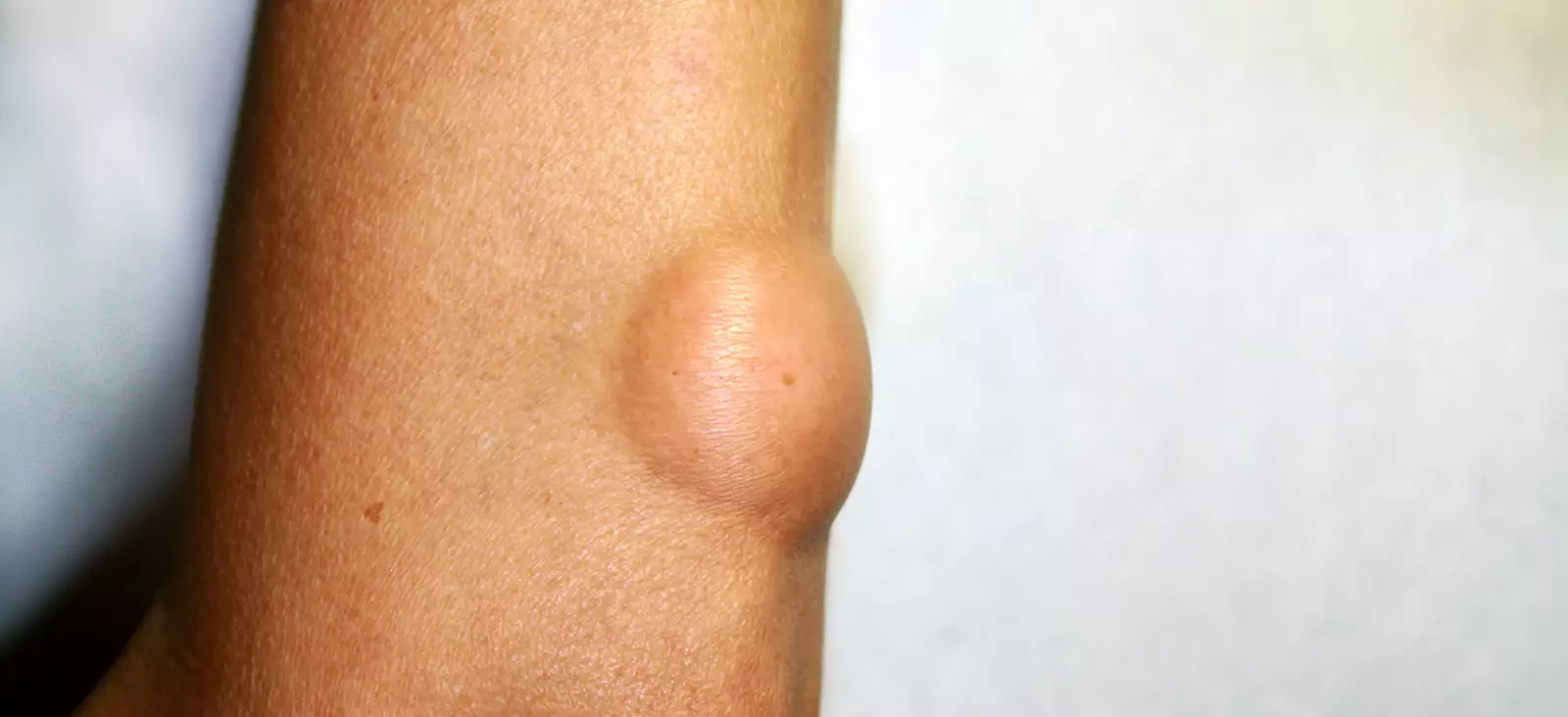
Keloid and hypertrophic scars need a different strategy. Excision alone reliably recurs, so we combine it with intralesional steroid or 5-fluorouracil, pressure therapy, silicone and — for high-risk keloids — a planned course of adjuvant treatment. Where the geometry is already acceptable and only texture or colour is at issue, resurfacing rather than surgery is the answer, and we will refer you for it.
Who this suits
- A scar that has matured for at least six to twelve months.
- Scars that are wide, depressed, raised, or run against natural skin lines.
- Contracted scars restricting movement or distorting a facial feature.
- Keloid or hypertrophic scars, treated with combined surgical and adjuvant therapy.
- Realistic understanding that improvement, not disappearance, is the goal.
How the procedure is performed
- Assessment of scar orientation, width, depth, colour and maturity.
- Z-plasty or W-plasty to reorient and irregularise linear scars.
- Serial excision for wide scars too large to close in one stage.
- Subcision and fat grafting for depressed, tethered scars.
- Intralesional steroid or 5-FU for hypertrophic and keloid tissue.
- A structured twelve-month aftercare programme: silicone, massage, sun protection and pressure where indicated.
What it achieves
- Scars redirected into natural creases where the eye does not follow them.
- Release of contracture and restored movement or feature position.
- Flattening and softening of raised scars.
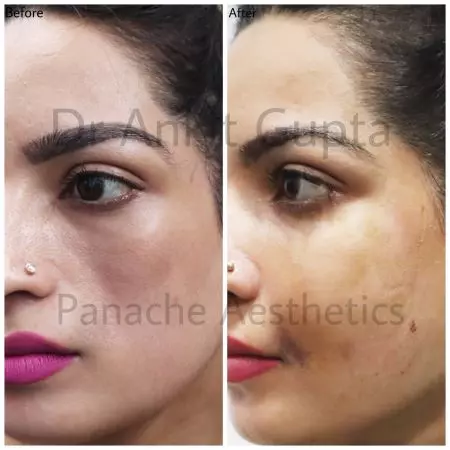
- Better colour and texture match with the surrounding skin.
- Staged plans available for extensive or complex scarring.
Recovery timeline
Individual recovery varies. These are the stages most patients pass through, and the ones we plan your follow-up around.
- Days 1–7
Dressings kept dry. Sutures removed between day five and fourteen depending on site.
- Weeks 2–6
Silicone gel or sheeting started. Daily massage and strict sun protection begin.
- Months 2–3
Scar at its most pink and firm — this is normal and not a sign of failure.
- Months 4–9
Progressive softening and fading. Adjuvant injections repeated if required.
- Months 12–18
Final mature appearance.
Cost
Varies widely with scar size and technique. Includes the twelve-month scar-care protocol and review appointments.
Bands reflect the genuine variation in complexity between patients. Your firm quote is issued after examination and does not change afterwards. See our full price list for context across the catalogue.
Frequently asked questions
No. Any full-thickness injury heals with a scar. Revision replaces a conspicuous scar with a far less conspicuous one, and we will show you realistic comparable cases rather than promise erasure.
Wait at least six to twelve months. Scars improve considerably on their own during that period, and operating early on an immature scar risks a worse result than doing nothing.
Keloids recur in a significant proportion of cases after excision alone. Combined with steroid or 5-FU injection, pressure and silicone, recurrence rates fall substantially — but we are honest that this is management rather than cure.
For texture, redness and pigmentation in a scar that is already well-oriented and flat, yes, and we will refer you for it. For width, tethering or contracture, no — the geometry has to be corrected surgically first, and that is our part of the work.