About lipoma removal
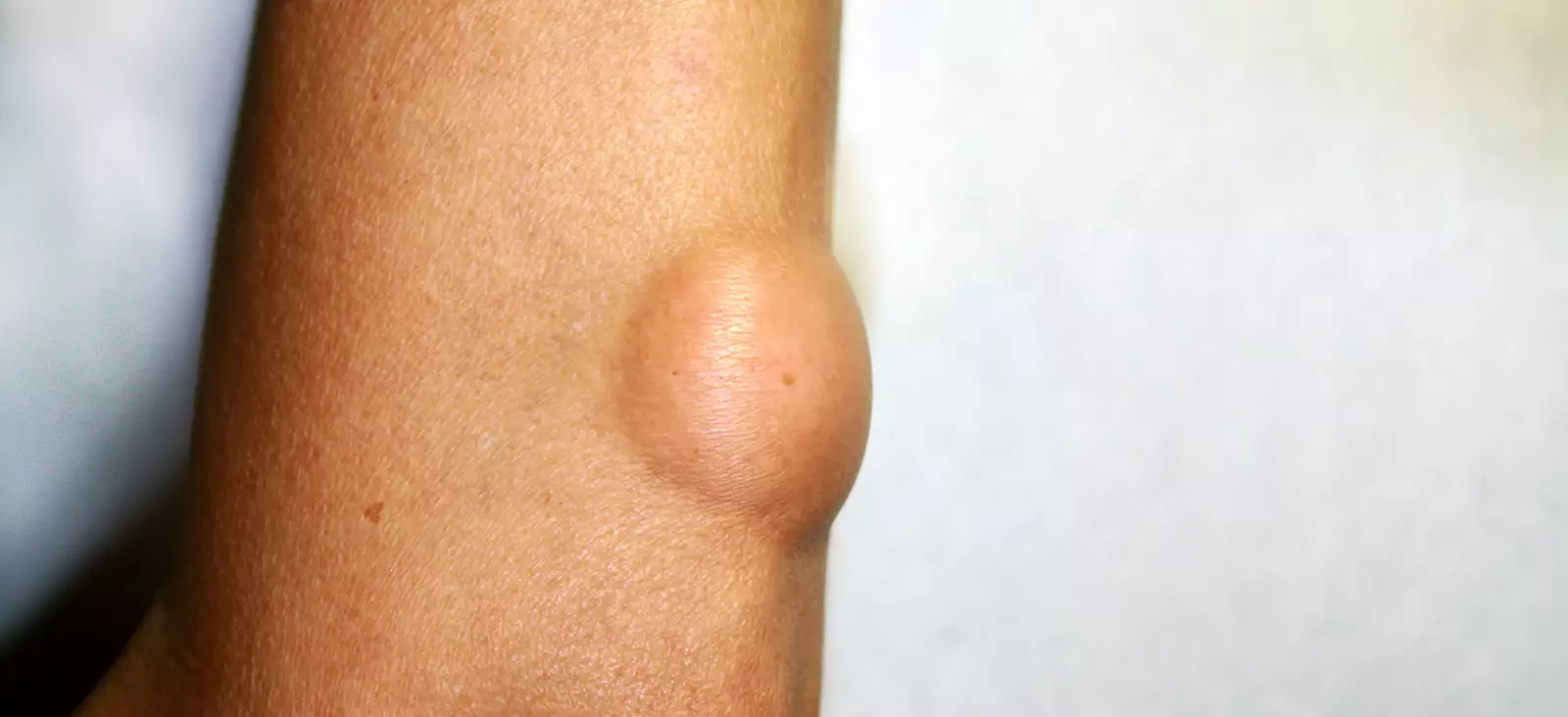
A lipoma is a benign tumour of fat cells, soft and mobile beneath the skin. An epidermoid or sebaceous cyst is a keratin-filled sac in the skin itself. Both are harmless, but they grow slowly, can become uncomfortable, and on the face or hands are cosmetically unwelcome.
The technical point that matters is completeness. A cyst that is squeezed or incompletely excised leaves the sac behind and reliably recurs, often with inflammation. A lipoma removed without its capsule can do the same. We excise the whole structure intact.
Incision placement is planned to sit within a natural skin crease or relaxed skin tension line, and closed in layers. For lipomas in cosmetically sensitive areas we can often use a remote incision placed some distance away so no scar sits over the lump itself.
Who this suits
- A soft, mobile lump beneath the skin that has been present for some time.
- A cyst that has become inflamed, infected or repeatedly discharges.
- Lumps causing discomfort, pressure or restriction of movement.
- Lesions in cosmetically visible areas.
- Any lump that is growing rapidly, hard or fixed — which requires assessment before excision.
How the procedure is performed
- Clinical examination and, where the diagnosis is uncertain or the lesion is deep, ultrasound or MRI.
- Local anaesthetic infiltration; larger or multiple lesions under sedation.
- Incision planned within a skin crease or relaxed skin tension line.
- Complete excision of the lipoma with its capsule, or the cyst with its sac intact.
- Remote-incision or minimal-access technique for cosmetically sensitive sites.
- Layered closure with fine sutures and, on the face, subcuticular technique.
- All excised tissue sent for histopathology as a matter of routine.
What it achieves
- Complete removal with a low recurrence rate.
- Histopathological confirmation of the diagnosis in every case.
- Scars placed in natural creases and closed for the best cosmetic outcome.
- Most lesions treated under local anaesthesia as a short day-care procedure.
- Multiple lesions can be addressed in one session.
Recovery timeline
Individual recovery varies. These are the stages most patients pass through, and the ones we plan your follow-up around.
- Days 1–2
Dressing kept dry. Mild soreness controlled with simple analgesia.
- Days 3–5
Back to normal activity. Dressing changed or removed.
- Days 5–14
Sutures removed, timing depending on site — five days on the face, up to fourteen on the back.
- Weeks 2–6
Silicone gel and sun protection applied to the scar.
- Months 3–12
Scar matures and fades.
Cost
Per lesion, varying with size, depth and site. Includes local anaesthesia, excision, histopathology and suture removal.
Bands reflect the genuine variation in complexity between patients. Your firm quote is issued after examination and does not change afterwards. See our full price list for context across the catalogue.
Frequently asked questions
The overwhelming majority are entirely benign. Rapid growth, firmness, fixation to deeper tissue or size over 5cm warrant imaging before excision, and we send every specimen for histopathology regardless.
Not if the capsule or sac is completely excised. Recurrence almost always follows incomplete removal — which is why squeezing a cyst rather than excising it is ineffective.
No excision is scarless, but incisions placed in creases, kept short, and closed in layers heal to fine lines. For visible areas we can often use a remote incision so the scar is not over the lump.
Yes. Patients with multiple lipomas commonly have several removed in a single session under sedation.