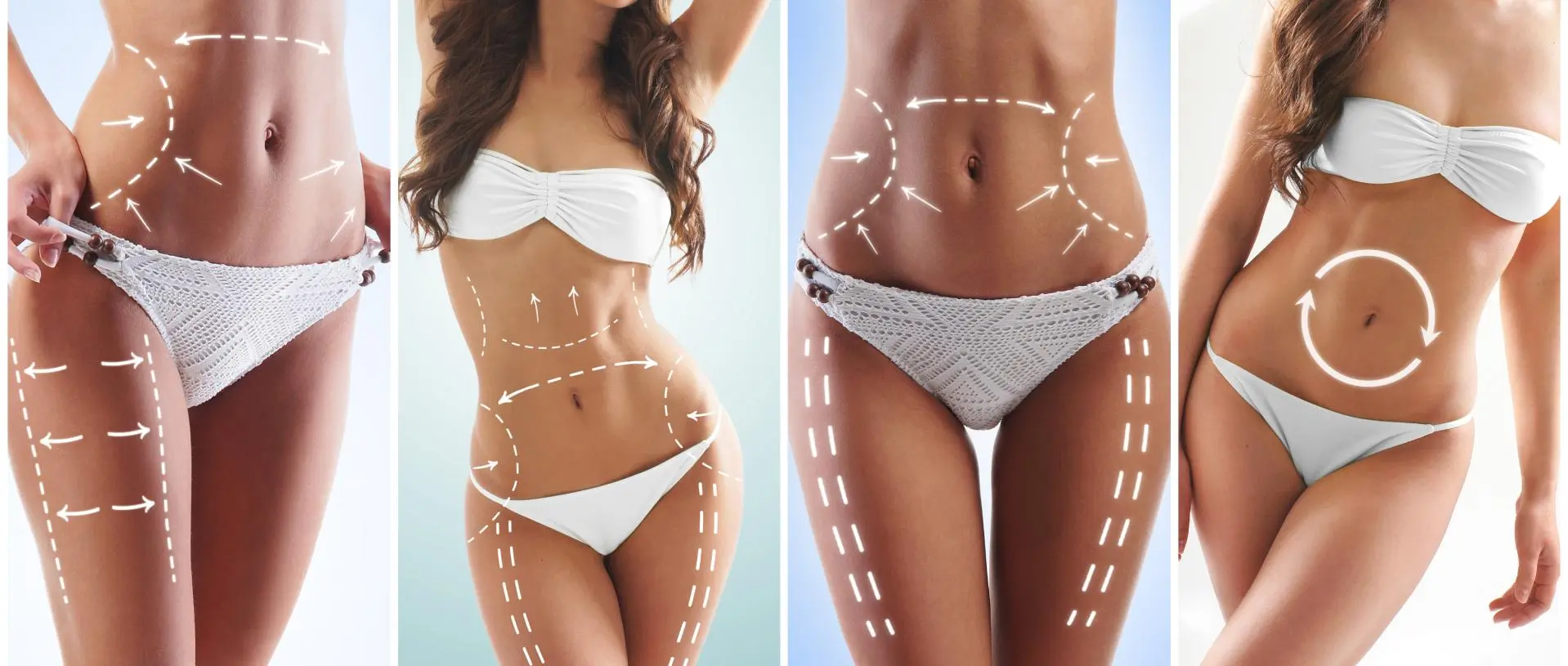
About mommy makeover
Pregnancy and breastfeeding change the breast and abdomen in ways that are structurally linked. The abdominal wall separates and the skin stretches; the breast loses upper pole volume and the nipple descends. Treating one and not the other leaves an obvious mismatch.
Combining them is efficient but only when it is safe. We cap combined operating time at around six hours, screen carefully for thrombosis risk, and use enhanced recovery protocols with regional blocks and early mobilisation. Where a patient's risk profile makes a single long procedure unwise, we stage it over two sessions instead — and we say so.
Every makeover is assembled individually. There is no fixed package: some patients need a full abdominoplasty with augmentation-mastopexy, others a mini tuck with a lift alone. The plan follows the examination.
Who this suits
- Completed family, at least six to twelve months after childbirth and finished breastfeeding.
- Stable weight for six months at a realistic target.
- Loose abdominal skin, muscle separation, and change in breast shape or volume.
- Non-smoker in good general health with no thrombotic history.
- Practical support at home for the first two weeks of recovery.
How the procedure is performed
- Comprehensive consultation planning which procedures to combine and in what order.
- Pre-operative workup including bloods, anaesthetic review and thrombosis risk assessment.
- Breast component performed first: augmentation, lift, reduction, or a combination.
- Abdominal component second: full or mini abdominoplasty with rectus plication.
- VASER liposuction of flanks, back and thighs to complete the silhouette.
- Regional blocks and multimodal analgesia to reduce opioid requirement.
- Mechanical and chemical thromboprophylaxis with early mobilisation on the evening of surgery.
What it achieves
- One anaesthetic and one recovery period rather than several.
- Lower combined cost than the same procedures performed separately.
- Breast and abdomen addressed as one coherent plan.
- Consistent, coordinated result rather than sequential mismatches.
- A single block of time away from work and family.
Recovery timeline
Individual recovery varies. These are the stages most patients pass through, and the ones we plan your follow-up around.
- Days 1–3
Two nights in hospital. Assisted mobilisation from the first evening. Drains and binder in place.
- Days 7–14
Drains removed. Upright posture returning. Help at home still needed, particularly with young children.
- Weeks 3–4
Desk work resumed. No lifting over 5kg, which for mothers of toddlers requires planning.
- Weeks 6–8
Garments discontinued. Progressive return to exercise.
- Months 3–6
Contour and breast shape settled. Scars pink and maturing.
- Months 12–18
Final result with mature scars.
Cost
Depends entirely on the combination selected. Typically 20–30% less than the same procedures performed separately, since theatre and anaesthesia are shared.
Bands reflect the genuine variation in complexity between patients. Your firm quote is issued after examination and does not change afterwards. See our full price list for context across the catalogue.
Frequently asked questions
In appropriately selected, healthy patients with a capped operating time and proper thromboprophylaxis, yes. Where the combination would push beyond safe limits or your risk profile is elevated, we stage it — and we will tell you that rather than accommodate the request.
Six weeks for anything over 5kg. This is the hardest restriction for most mothers, and arranging help in advance is the single most useful thing you can do to prepare.
At least six months after delivery, and three to six months after finishing breastfeeding, so the breast has settled to its final state and your weight is stable.
Yes. We will recommend what addresses your concerns, but the combination is yours to decide, and cost and recovery both scale with it.
Then wait. Pregnancy after abdominoplasty stretches the muscle repair and will substantially undo the result.