About hd abs
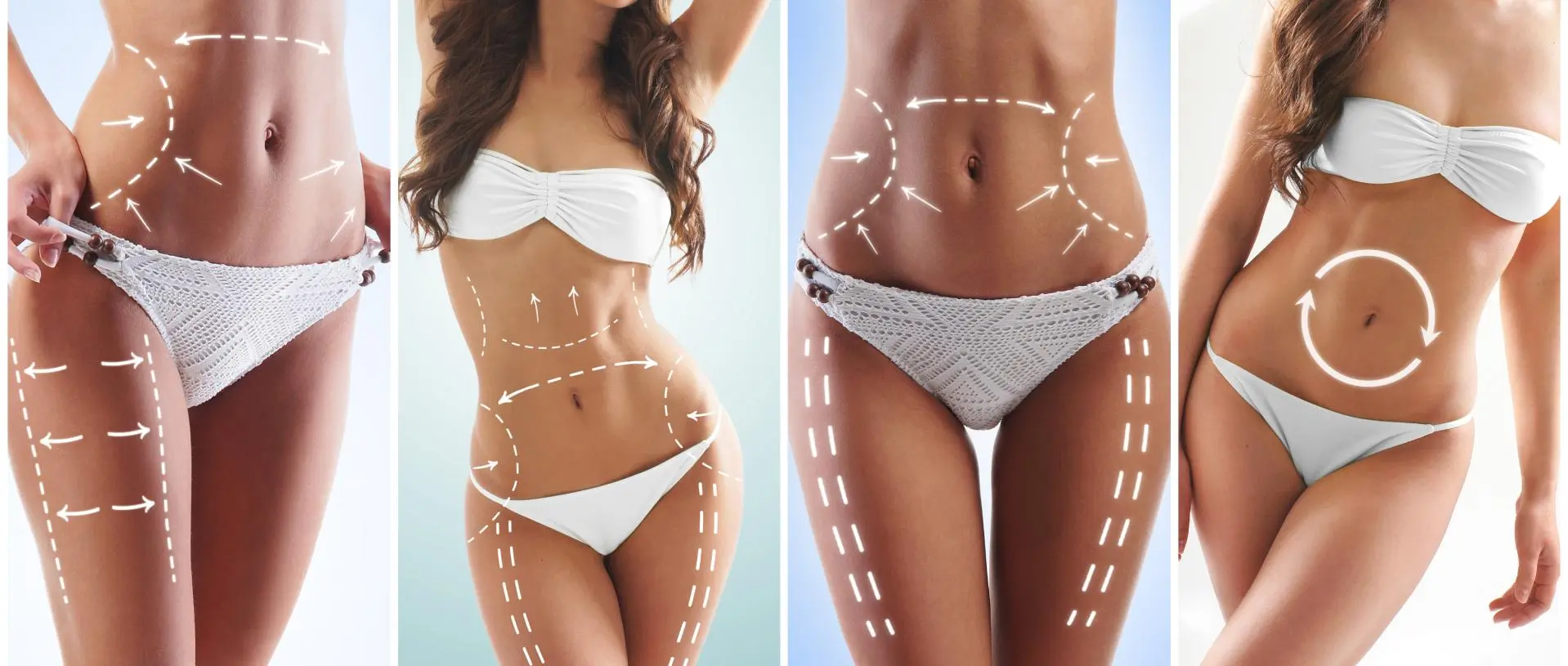
Standard liposuction removes deep fat to reduce bulk. Etching works in the superficial layer to create selective shadow, following the linea alba, linea semilunaris and tendinous inscriptions that already exist beneath the fat.
The candidate profile is narrow and we hold to it. Patients need a body fat percentage around 18 or below for men and 22 or below for women, established muscle development, and good skin elasticity. Etching a patient who lacks underlying muscle produces unnatural grooves in a flat abdomen — an artificial result that is difficult to reverse.
The procedure extends beyond the abdomen. We define the serratus, the pectoral border and the lower back to produce a coherent athletic silhouette; treating the abdomen alone looks isolated and obviously surgical.
Who this suits
- Body fat around 18% or below for men, 22% or below for women.
- Established abdominal muscle development from consistent training.
- Good skin elasticity with no significant laxity or diastasis.
- Stable weight and commitment to maintaining training afterwards.
- Not suitable following pregnancy where diastasis or skin excess is present.
How the procedure is performed
- Body composition analysis and standing marking of every muscle border and inscription.
- Tumescent infiltration and VASER emulsification in both deep and superficial planes.
- Deep-plane debulking first to establish overall contour.
- Superficial etching along the linea alba, semilunar lines and tendinous inscriptions.
- Definition extended to serratus, pectoral border, flanks and lower back.
- Selective fat grafting to the pectorals or deltoids where added volume improves proportion.
- Staged compression with foam and a garment worn for eight weeks.
What it achieves
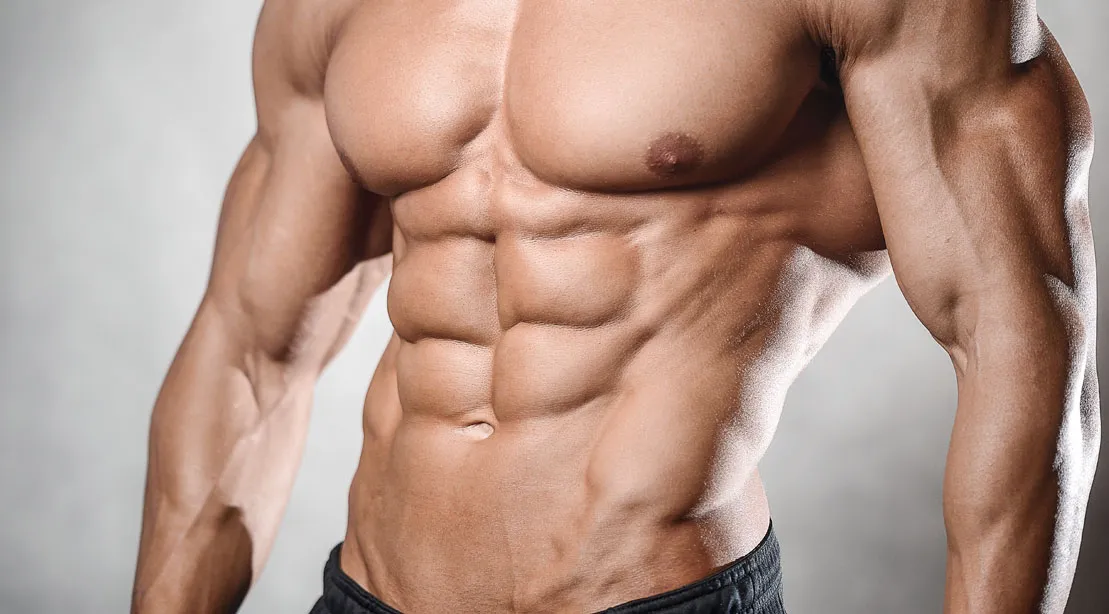
- Visible muscle definition consistent with your existing training.
- Coordinated athletic contour across torso and back, not just the abdomen.
- Permanent removal of the fat cells in the etched planes.
- Harvested fat available for grafting to chest or shoulders.
- Result maintained straightforwardly with the training you already do.
Recovery timeline
Individual recovery varies. These are the stages most patients pass through, and the ones we plan your follow-up around.
- Days 1–4
Garment with foam worn continuously. Soreness and significant swelling. Fluid leakage from incisions is expected.
- Days 7–10
Desk work resumed. Lymphatic massage started, and it is not optional for this procedure.
- Weeks 2–4
Swelling obscures definition — patients often worry at this stage. Light cardio permitted from week two.
- Weeks 6–8
Resistance training resumed. Garment discontinued at eight weeks.
- Months 3–6
Definition emerging clearly as swelling resolves.
- Months 6–12
Final etched result.
Cost
Abdomen, flanks and lower back. Includes VASER, foam and garment, a course of lymphatic massage, and follow-up.
Bands reflect the genuine variation in complexity between patients. Your firm quote is issued after examination and does not change afterwards. See our full price list for context across the catalogue.
Frequently asked questions
Yes, and more than ever. Etching reveals muscle you already have. Stopping training means the muscle atrophies and the definition goes with it.
Not if you are a suitable candidate and the marking follows your own anatomy. It looks artificial when performed on someone without underlying muscle — which is precisely why we decline those cases.
The etched planes have fewer fat cells, so definition persists longer than it otherwise would, but significant weight gain will still obscure it.
No. Standard liposuction removes bulk from the deep plane. Etching works superficially to create selective shadow, and it is considerably more technically demanding and less forgiving.