About body fat transfer
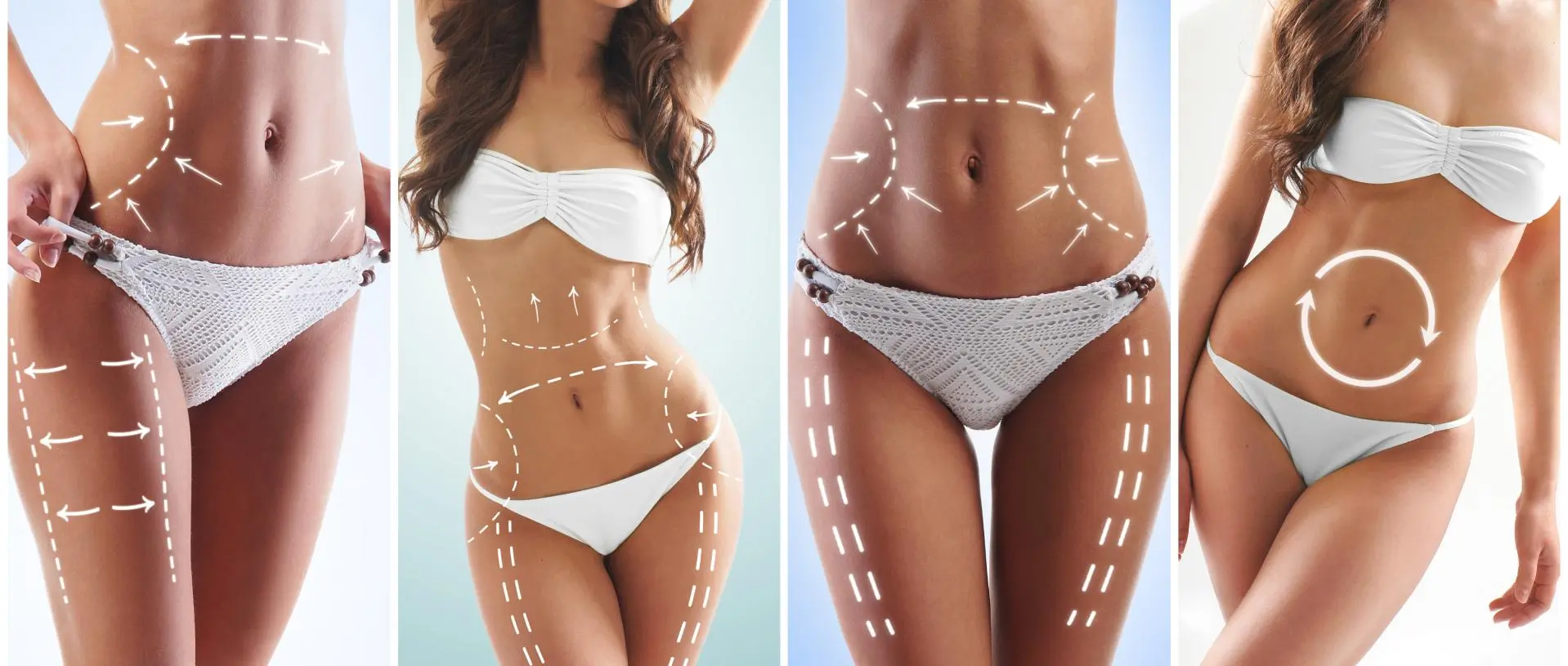
Fat grafting to the body follows the same principles as to the face but at larger volume: harvest atraumatically, process gently, and place in fine parcels across multiple planes so each graft parcel is close enough to a blood supply to survive.
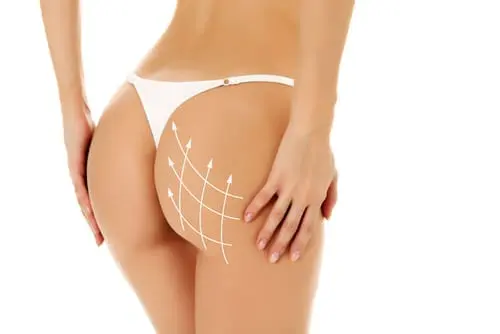
Common indications are lateral hip depressions — so-called hip dips, which are a bony contour rather than a fat deficiency and respond well to grafting — modest natural breast augmentation without implants, and correction of the irregularities left by poorly performed liposuction elsewhere.
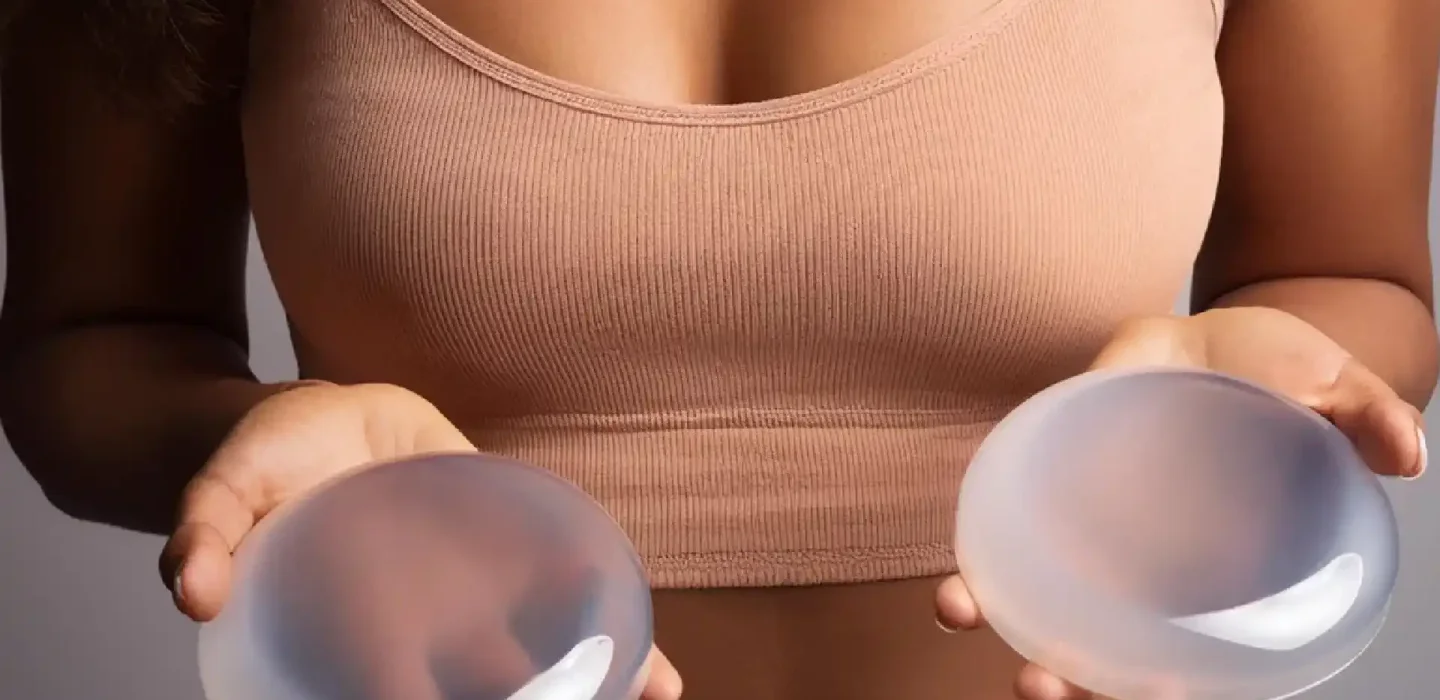
Breast fat transfer suits patients wanting a half to one cup increase with no foreign material, and it is particularly useful for correcting asymmetry or improving cleavage in patients who already have implants. It cannot deliver the volume that implants can, and we are clear about that.
Who this suits
- Adequate donor fat at the abdomen, flanks or thighs.
- Wanting modest, natural volume without implants.
- Hip depressions, contour irregularity, or asymmetry from previous surgery.
- Stable weight, since grafted fat changes with body weight.
- Realistic expectations about the volume achievable in a single session.
How the procedure is performed
- Assessment of donor availability and mapping of recipient deficiencies.
- Low-pressure VASER-assisted harvest to maximise adipocyte viability.
- Processing by decantation or low-speed centrifugation to remove oil and fluid.
- Placement in fine parcels through blunt cannulas across multiple tissue planes.
- Deliberate over-correction to allow for expected resorption.
- Ultrasound guidance where the recipient site is near deep vascular structures.
- Compression at donor sites; recipient sites left uncompressed to protect the graft.
What it achieves
- Two areas improved in one operation — donor site slimmed, recipient site filled.
- No implant and no foreign-body risk.
- Permanent for the fat that survives.
- Natural to look at and to touch.
- Effective for correcting irregularities from previous liposuction.
Recovery timeline
Individual recovery varies. These are the stages most patients pass through, and the ones we plan your follow-up around.
- Days 1–4
Donor sites sore and bruised. Garment on donor areas only; recipient areas kept free of pressure.
- Days 7–10
Desk work resumed. Lymphatic massage on donor sites started.
- Weeks 2–4
Swelling settling. Pressure on grafted areas still avoided.
- Weeks 6–8
Normal activity and exercise. Compression discontinued.
- Months 2–3
Resorption complete; the surviving graft is now permanent.
- Months 6–12
Final contour at both sites.
Cost
Depends on donor areas harvested and volume grafted. Includes harvest, processing, placement, garments and one review session.
Bands reflect the genuine variation in complexity between patients. Your firm quote is issued after examination and does not change afterwards. See our full price list for context across the catalogue.
Frequently asked questions
Typically half to one cup per session. Wanting more than that in one operation means implants are the more realistic route, and we will say so rather than over-promise.
Yes, and grafting is the most effective option. Hip dips are caused by the shape of the pelvis and the attachment of the gluteal muscle, not by a lack of fat — but adding fat over the depression camouflages it well.
Grafting can produce benign calcifications that a radiologist needs to distinguish from suspicious ones. Modern imaging distinguishes them reliably. Tell your radiographer you have had fat grafting, and keep your baseline imaging.
Often, if you want substantial volume. Each session adds what survives from that graft, and sessions are spaced three to six months apart.